Glastonbury, Connecticut: The Oldest Ferry in America
Glastonbury, Connecticut
Part of The Burys of Connecticut
Pictures from Glastonbury
See all 3 photos →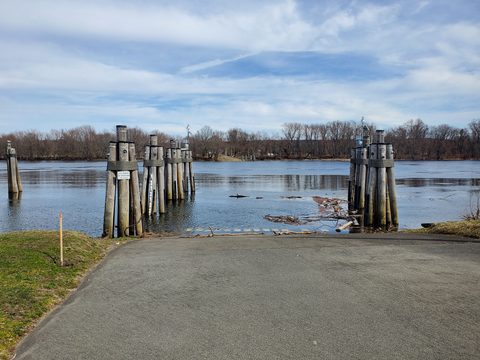
Glastonbury began in 1636 as part of Wethersfield, when 30 families settled a Connecticut River tract called Pyaug; it incorporated separately in 1693 as Glassenbury, about 7 miles southeast of Hartford across the river. The Rocky Hill-Glastonbury ferry has crossed the river since 1655 and is the oldest continually operating ferry in the United States. Glastonbury produced gunpowder during the Revolutionary War and was a shipbuilding town through the eighteenth and early nineteenth centuries. The J.B. Williams Company opened its Glastonbury soap factory in 1847; its Genuine Yankee Soap is credited as the first soap made expressly for shaving mugs, and the company later produced 'Lectric Shave and Aqua Velva. In the 1870s, two of the five Smith sisters, Julia and Abby — from a family active in abolition and suffrage — became national symbols of taxation without representation by refusing to pay taxes they could not vote on.
-
sight
Glastonbury history from the Wangunk people to the Smith sisters.
-
A 1755 colonial house with a notable colonial-era hearth.
-
The oldest continually operating ferry in the US, since 1655.
-
sight
Pick-your-own berries and apples since 1908.
-
A Glastonbury coffee roaster and cafe since 1989.
-
food
Chef Billy Grant's farm-to-table modern Italian.
-
Wood-fired steakhouse anchoring Somerset Square.
-
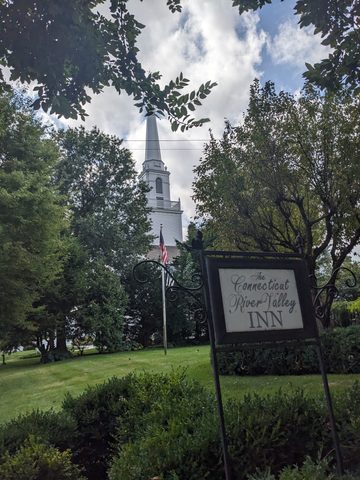
A colonial house begun in 1720, a B&B since 1977.
Pyaug to Glassenbury
Glastonbury began in 1636 as part of Wethersfield, when 30 families settled a Connecticut River tract known by its Native name, Pyaug; it incorporated as its own town in 1693 under the name Glassenbury. The Rocky Hill-Glastonbury ferry, in service since 1655, is the oldest continually operating ferry in the United States, and Glastonbury produced gunpowder during the Revolutionary War and built ships through the eighteenth and early nineteenth centuries. The J.B. Williams Company opened its Glastonbury soap factory in 1847; its Genuine Yankee Soap is credited as the first soap made expressly for shaving mugs, and the company later produced 'Lectric Shave and Aqua Velva. In the 1870s, two of the five Smith sisters, Julia and Abby, refused to pay taxes on land they had no vote over, becoming national symbols of taxation without representation — part of a family also active in abolition, whose history the Museum on the Green interprets today.
Getting there
Glastonbury is a drive-to town about 7 miles southeast of Hartford. The CT Route 2 expressway serves it with six exits, Route 3 links to I-91 via the Putnam Bridge over the Connecticut River, and Route 17 serves South Glastonbury. There is no rail station in Glastonbury; the nearest Amtrak and CTrail Hartford Line trains stop at Hartford Union Station. In season, the historic Rocky Hill-Glastonbury ferry carries cars across the river as well.
The ferry, the Museum on the Green, and Somerset Square
The Rocky Hill-Glastonbury ferry's short crossing is still run seasonally by CTDOT — check CTroads alerts before counting on a specific day. The Museum on the Green and the 1755 Welles-Shipman-Ward House, both run by the Historical Society of Glastonbury, cover the town's colonial and Smith-sisters history. Rose's Berry Farm, picking blueberries and apples in season since 1908, sits in South Glastonbury alongside the Historical Society sites. Downtown, Daybreak Coffee Roasters has poured coffee since 1989, Bricco Trattoria serves chef Billy Grant's farm-to-table Italian, and J. Gilbert's anchors Somerset Square with wood-fired steaks. The Butternut Farm Bed & Breakfast, in a colonial house begun in 1720, is the town's verified place to stay.
Frequently asked questions
- How do I get to Glastonbury?
- Glastonbury sits about 7 miles southeast of Hartford. CT Route 2 (six exits), Route 3 via the Putnam Bridge to I-91, and Route 17 in South Glastonbury are the main roads. There's no rail station in town; the nearest Amtrak and CTrail Hartford Line service is Hartford Union Station.
- What is the Rocky Hill-Glastonbury ferry?
- A seasonal car-and-passenger crossing of the Connecticut River run by CTDOT, operating since 1655 — the oldest continually operating ferry in the United States.
- What did the J.B. Williams Company make in Glastonbury?
- The company opened its Glastonbury soap factory in 1847; its Genuine Yankee Soap is credited as the first soap made expressly for shaving mugs, and the company later produced 'Lectric Shave and Aqua Velva.
- Who were the Smith sisters of Glastonbury?
- Five sisters from a family active in abolition and women's suffrage. In the 1870s, two of them, Julia and Abby, became national symbols of taxation without representation by refusing to pay taxes on land they could not vote over.
- Where can I eat and stay in Glastonbury?
- Bricco Trattoria and J. Gilbert's Wood-Fired Steaks & Seafood anchor downtown and Somerset Square dining, with Daybreak Coffee Roasters for coffee since 1989. Butternut Farm Bed & Breakfast, in a house begun in 1720, is the town's verified lodging.
Foliage
Turning this week · most advanced Oct 21–27
This town never reaches full colour on the state's map — DEEP's eight weeks run out before it turns.
Derived from the Connecticut DEEP fall foliage map. DEEP's map is a climatological estimate last published in 2023; it describes a normal year, not this one. Stage names are ours. See the statewide forecast.
Connected pages
Nearby
-
Hebron, Connecticut: A Rescued Family and a Ghost Mill Town
· Hebron, Connecticut
The two towns share a border
-
Portland, Connecticut: Brownstone That Built Manhattan
· Portland, Connecticut
The two towns share a border
-
Marlborough, Connecticut: Three Towns' Corners and a Colonial Tavern
· Marlborough, Connecticut
Marlborough was incorporated in 1803 from parts of Glastonbury, Colchester and Hebron, and borders Glastonbury.
-
Manchester, Connecticut: The Silk City's Mill Empire
· Manchester, Connecticut
Manchester borders Glastonbury; Case Mountain sits on the town line.
-
Rocky Hill, Connecticut: Dinosaur Tracks and the Nation's Oldest Ferry
· Rocky Hill, Connecticut
Rocky Hill faces Glastonbury across the Connecticut River, connected by the Rocky Hill-Glastonbury Ferry.
-
Cromwell, Connecticut: Rose King and Brownstone Seaport
· Cromwell, Connecticut
The two towns share a border
-
East Hartford, Connecticut: Across the River from the Capital
· East Hartford, Connecticut
The two towns share a border
-
Wethersfield, Connecticut: Onions, Seeds, and Connecticut's Oldest Streets
· Wethersfield, Connecticut
Wethersfield and Glastonbury face each other across the Connecticut River — Wethersfield's eastern boundary.
-
Bolton, Connecticut: Quarry Stone and Rochambeau's Camp Five
· Bolton, Connecticut
The two towns share a border
-
East Hampton, Connecticut: Belltown, USA
· East Hampton, Connecticut
The two towns share a border
Shared history
-
Marlborough, Connecticut: Three Towns' Corners and a Colonial Tavern
· Marlborough, Connecticut
Marlborough was formed in 1803 from portions of Glastonbury, Colchester and Hebron.
-
Rocky Hill, Connecticut: Dinosaur Tracks and the Nation's Oldest Ferry
· Rocky Hill, Connecticut
The Rocky Hill-Glastonbury Ferry, in service since 1655, links the two towns across the Connecticut River.
-
Portland, Connecticut: Brownstone That Built Manhattan
· Portland, Connecticut
Meshomasic State Forest, centered on Portland and East Hampton, extends into Glastonbury.
-
Wethersfield, Connecticut: Onions, Seeds, and Connecticut's Oldest Streets
· Wethersfield, Connecticut
Glastonbury began in 1636 as part of Wethersfield, settled as the Pyaug tract, before incorporating separately in 1693.
Same region
-
Middletown, Connecticut: A River Port Turned College City
· Middletown, Connecticut
Both are Connecticut River valley towns, linked by the river though not directly adjacent.
-
Hartford, Connecticut: The Constitution State's Capital
· Hartford, Connecticut
Glastonbury lies about 7 miles southeast of Hartford, across the Connecticut River.
-
East Hartford, Connecticut: Across the River from the Capital
· East Hartford, Connecticut
Glastonbury sits south of East Hartford along the Connecticut River.
What travelers think
Log in to react.
No reviews yet.