
Inwood, Manhattan: Old-Growth Forest and the Legend of Shorakkopoch
Inwood, New York
Pictures from Inwood
See all 4 photos →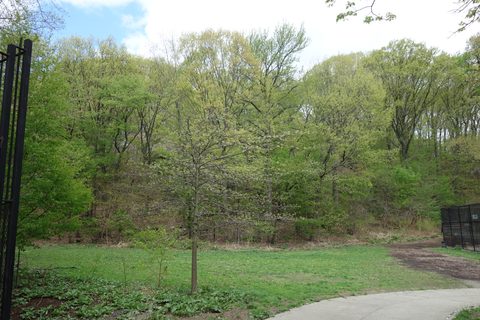
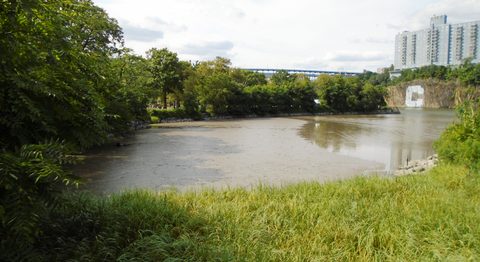
Before European arrival, this was Shorakapkok, a Lenape settlement whose clam beds, cornfields, and fish runs led the National Museum of the American Indian to call it the best place to live on the island. By legend, Peter Minuit's 1626 purchase of Manhattan from the Lenape took place here; Shorakkopoch Rock bears a commemorative plaque, though no historical record confirms the meeting happened at this spot. Inwood remained rural until the subway arrived in 1906, spurring the Art Deco apartment buildings that still define its streets. The Dyckman Oval hosted Negro League baseball until its 1938 demolition, and Hessian troops camped here during the British occupation, their huts' remains discovered in 1914. Predominantly Irish and Jewish for much of the 20th century, Inwood now has New York City's highest concentration of Dominican residents. Inwood Hill Park, opened in 1926, preserves Manhattan's largest old-growth forest and one of its last salt marshes.
-
walk
Manhattan's largest old-growth forest, a salt marsh, and the city's largest glacial pothole.
-
sight
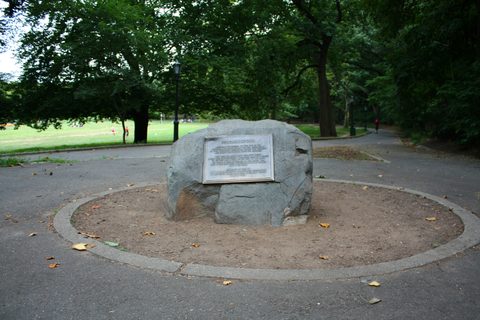
The legendary, unconfirmed site of Peter Minuit's 1626 Manhattan purchase.
-
sight
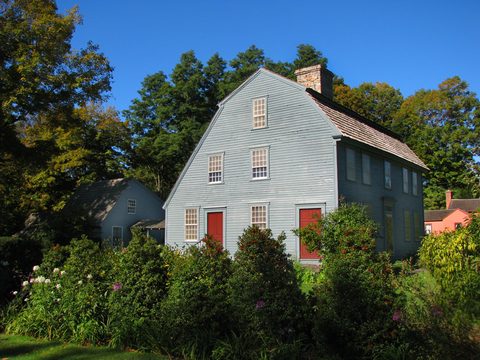
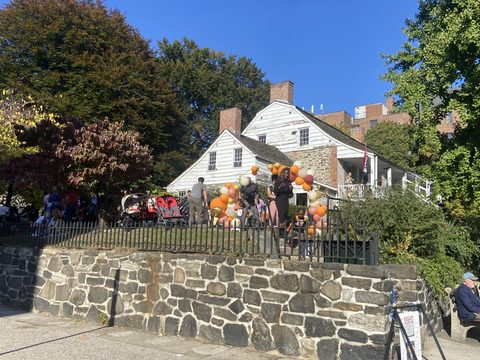
Manhattan's last surviving farmhouse, now a house museum.
-
walk
A 20-acre hilltop park with marble outcroppings and a colonial-road milestone.
-
food
American-Italian cooking and live music steps from Inwood Hill Park.
-
A Dominican and Caribbean institution on Dyckman Street since 2004.
Shorakapkok to Sherman Creek
Long before Europeans arrived, this plateau was Shorakapkok, a Lenape settlement site whose clam beds, cornfields, and annual fish runs led the National Museum of the American Indian to describe it as the 'best place to live' on Manhattan. By legend, Peter Minuit's 1626 purchase of the island from the Lenape happened here; Shorakkopoch Rock in Inwood Hill Park carries a commemorative plaque, though the story appears in no historical record and historians debate whether the meeting took place at this spot at all. During the Revolutionary War's British occupation, Hessian troops kept a camp of more than 60 huts between 201st and 204th Streets along Payson Avenue, whose remains were discovered in 1914. The neighborhood stayed largely rural until the IRT Broadway-Seventh Avenue subway reached it in 1906 and the IND Eighth Avenue Line followed in the 1930s, spurring the Art Deco apartment construction that still defines its streets. The Dyckman Oval, a 4,500-seat stadium, hosted Negro League baseball until its demolition in 1938; the Dyckman Houses public housing complex was built on the site in 1951. Predominantly Irish, with a significant Jewish community, for much of the 20th century, Inwood today has New York City's highest concentration of residents of Dominican descent.
Getting there by subway
Inwood is served by two lines: the A train on the IND Eighth Avenue Line, underground, at Dyckman Street and its terminal, Inwood-207th Street, and the 1 train on the IRT Broadway-Seventh Avenue Line, elevated, at Dyckman Street, 207th Street, and 215th Street. Take the A for the faster ride to Midtown and the 1 for local stops along Broadway.
Frequently asked questions
- How do I get to Inwood by subway?
- Take the A train to Dyckman Street or its terminal at Inwood-207th Street for the faster ride to Midtown, or the elevated 1 train to Dyckman Street, 207th Street, or 215th Street for local stops along Broadway.
- What is Shorakkopoch Rock?
- A boulder in Inwood Hill Park bearing a plaque commemorating the legendary site of Peter Minuit's 1626 purchase of Manhattan from the Lenape. No historical record confirms the meeting happened here; historians debate the location.
- What is the best park in Inwood?
- Inwood Hill Park, a 196-acre park opened May 8, 1926, that preserves Manhattan's largest remaining old-growth forest, the Muscota Marsh salt marsh, and the city's largest glacial pothole.
- Is Dyckman Farmhouse still standing?
- Yes. Billed as Manhattan's last farmhouse, the Dutch Colonial Dyckman house at 4881 Broadway now operates as a museum, open Wednesday-Friday noon-4 p.m. and Saturday 10 a.m.-4 p.m.
- Where can I stay in Inwood?
- No hotel or bed-and-breakfast could be verified as operating within Inwood itself; the nearest verified option is the Radio Hotel in Washington Heights, about two miles south.
Connected pages
Nearby
- Washington Heights, Manhattan: Fort Washington to Frankfurt-on-the-Hudson · Washington Heights, New York
Shared history
-
Washington Heights, Manhattan: Fort Washington to Frankfurt-on-the-Hudson
· Washington Heights, New York
This guide notes Washington Heights is, together with Inwood, the cultural heart of Dominican New York.
Same region
-
Hamilton Heights, Manhattan: The Grange and Sugar Hill
· Hamilton Heights, New York
Another Manhattan neighborhood covered in this series.
See also
-
Washington Heights, Manhattan: Fort Washington to Frankfurt-on-the-Hudson
· Washington Heights, New York
No hotel could be verified in Inwood; the nearest verified option is the Radio Hotel in Washington Heights, about two miles south.
What travelers think
Log in to react.
No reviews yet.