
Washington Heights, Manhattan: Fort Washington to Frankfurt-on-the-Hudson
Washington Heights, New York
Pictures from Washington Heights
See all 4 photos →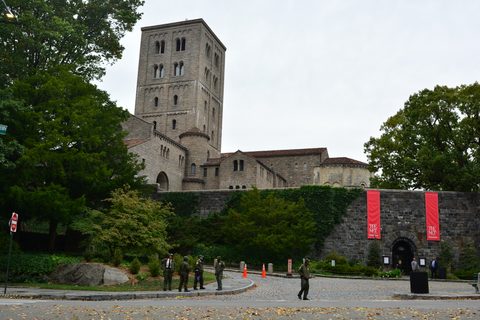
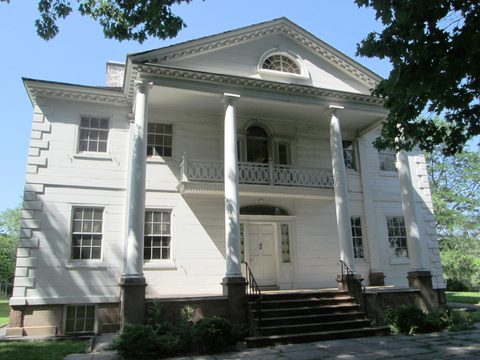
Washington Heights takes its name from Fort Washington, a Revolutionary War fortification the Continental Army built at Manhattan's highest natural point; the British captured it in the November 16, 1776 Battle of Fort Washington, in which Margaret Corbin, wounded defending the fort, became the first woman known to fight in the Revolutionary War. The neighborhood stayed sparsely populated through the 19th century, urbanizing rapidly after the IRT Broadway-Seventh Avenue subway opened stations between 1904 and 1911. In the 1930s and 1940s it became a haven for German Jewish refugees fleeing Nazism, earning the nickname Frankfurt-on-the-Hudson; Dominican immigration accelerated after 1966, and by 2000 Washington Heights and Inwood together had a slim Dominican majority. Malcolm X delivered his final speech and was assassinated at the Audubon Ballroom on February 21, 1965. Morris-Jumel Mansion, built in 1765, is Manhattan's oldest surviving residence and served as George Washington's 1776 headquarters.
-
walk
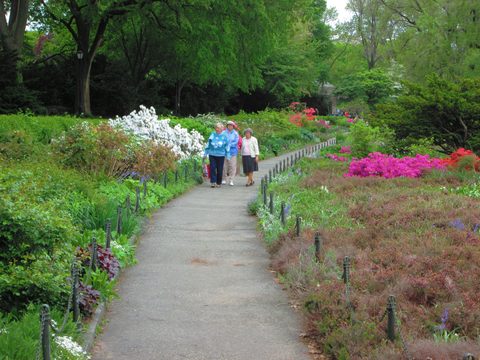
A 67-acre Rockefeller-donated park with the Heather Garden and Revolutionary War history.
-
sight
The Met's medieval-art branch, home to the Unicorn Tapestries.
-
sight
One of Manhattan's largest theaters, now a hybrid arts and cultural venue.
-
Major Spanish and Latin American collections in the historic Audubon Terrace.
-
The former Audubon Ballroom, site of Malcolm X's 1965 assassination, now a living memorial.
-
sight
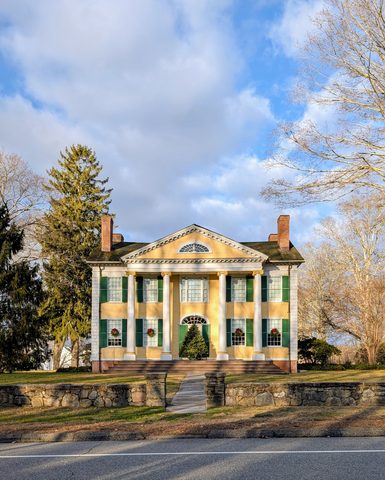
Manhattan's oldest surviving residence, built in 1765.
-
food
An Ethiopian-owned specialty roaster and community fixture.
-
food
A casual Singaporean noodle spot, one of the few in NYC.
-
stay
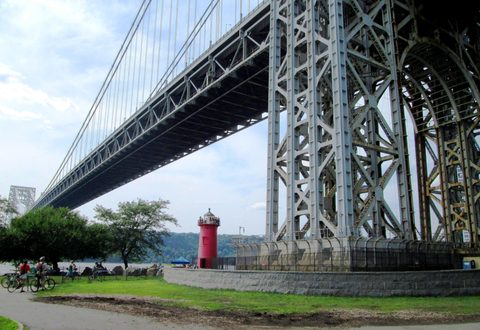
A 54-room boutique hotel with George Washington Bridge views.
A Fort, a Battle, and Waves of Refuge
Fort Washington, a Continental Army fortification at the highest natural point on Manhattan, gave the neighborhood its name; it fell to the British in the Battle of Fort Washington on November 16, 1776, where Margaret Corbin, wounded in combat, became the first woman known to fight in the Revolutionary War (Fort Tryon Park's main drive and southern entrance were named for her in 1977). Development followed the subway, which opened stations here between 1904 and 1911. In the 1930s and 1940s the neighborhood became a haven for German Jews fleeing Nazism, earning the nickname Frankfurt-on-the-Hudson; Dominican immigration accelerated after 1966 and Washington Heights is now, together with Inwood, the cultural heart of Dominican New York. Malcolm X delivered his final speech and was assassinated at the Audubon Ballroom, 3940 Broadway, on February 21, 1965; the site now houses the Malcolm X and Dr. Betty Shabazz Memorial and Educational Center as a living memorial. Morris-Jumel Mansion, built in 1765, is Manhattan's oldest surviving residence and served as a Revolutionary War headquarters, including for George Washington in 1776.
Getting there by subway
Two trunk lines cover the neighborhood: the 1 local runs up Broadway/St. Nicholas with closely spaced stops at 157th, 168th, 181st, 191st, and Dyckman Streets, while the A on the IND Eighth Avenue Line at 175th, 181st, and 190th Streets is the fastest ride to and from Midtown. 168th Street is the main transfer hub, also served by the C, which terminates there.
Frequently asked questions
- How do I get to Washington Heights by subway?
- Take the 1 local for stops at 157th, 168th, 181st, 191st, and Dyckman Streets, or the A for the fastest ride to Midtown at 175th, 181st, and 190th Streets. The C also serves 168th Street, the main transfer hub.
- Why is it called Washington Heights?
- It's named for Fort Washington, a Revolutionary War fortification the Continental Army built at the highest natural point on Manhattan to defend against the British.
- Where was Malcolm X assassinated?
- At the Audubon Ballroom, 3940 Broadway, on February 21, 1965, while delivering his final speech. The site now houses the Malcolm X and Dr. Betty Shabazz Memorial and Educational Center.
- What is the best park in Washington Heights?
- Fort Tryon Park, a 67-acre park donated to the city by John D. Rockefeller Jr. and opened in 1935, with a 3-acre Heather Garden that is the largest public garden with unrestricted access in New York City.
- Where can I stay in Washington Heights?
- The Edge Hotel, a 54-room boutique hotel at 514 West 168th Street near Columbia University Irving Medical Center, is one of the few hotels actually located in the neighborhood.
Connected pages
Nearby
- Inwood, Manhattan: Old-Growth Forest and the Legend of Shorakkopoch · Inwood, New York
- Hamilton Heights, Manhattan: The Grange and Sugar Hill · Hamilton Heights, New York
Shared history
-
Inwood, Manhattan: Old-Growth Forest and the Legend of Shorakkopoch
· Inwood, New York
This guide notes Washington Heights is, together with Inwood, the cultural heart of Dominican New York.
Same region
-
Hamilton Heights, Manhattan: The Grange and Sugar Hill
· Hamilton Heights, New York
Another Manhattan neighborhood covered in this series.
See also
-
Inwood, Manhattan: Old-Growth Forest and the Legend of Shorakkopoch
· Inwood, New York
No hotel could be verified in Inwood; the nearest verified option is the Radio Hotel in Washington Heights, about two miles south.
What travelers think
Log in to react.
No reviews yet.