South Windsor, Connecticut: An Indigenous Village Museum on the Old Ferry Road
South Windsor, Connecticut
Pictures from South Windsor
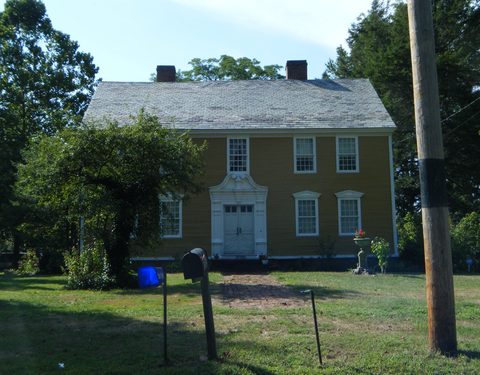
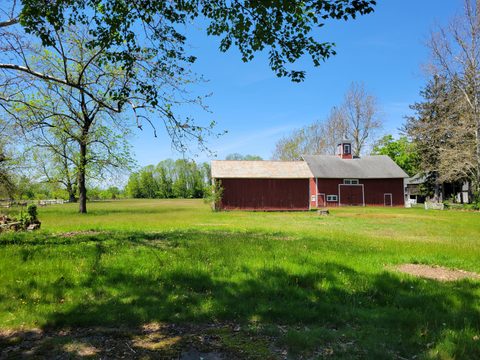
See all 3 photos →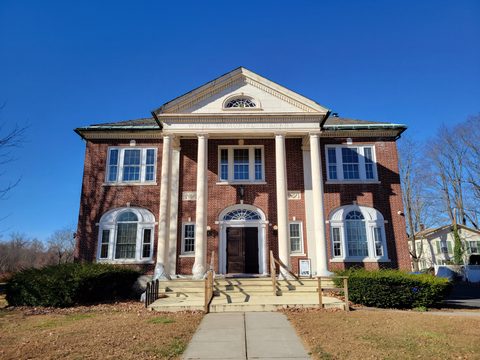
In 1659, Thomas Burnham purchased the tract that became South Windsor and East Hartford from Tantinomo, chief sachem of the Podunk, after settlers from Windsor had already been crossing the Connecticut River to graze and farm the east bank. The east-side settlement incorporated as the town of East Windsor in 1768, and South Windsor separated from it to become its own town in 1845; English settlers had reached the pasturelands via John Bissell's ferry, which operated from about 1633 to 1925 and fueled growth at East Windsor Hill. Tobacco has been a major crop since the town's founding, and South Windsor sent more than 200 volunteers to the American Revolution. Theologian Jonathan Edwards, steamboat inventor John Fitch and clockmaking innovator Eli Terry are among the town's notable historical figures — US Route 5 through town is signed John Fitch Boulevard.
-
sight
An outdoor Indigenous-life museum with docent-led programs.
-
A 535-acre historic district settled in 1638.
-
The last structure of the historic Bissell Ferry, rarely open.
-
A waterside continental restaurant and banquet venue.
-
A brewery branded with Connecticut's state airplane.
-
"Home of the 5lb Pizza" since 1993.
-
food
A local roaster sharing a campus with the brewery.
A 1638 village and an Indigenous life museum
The East Windsor Hill neighborhood in the town's northwest corner was settled in 1638 by families from Windsor and got an economic boost in the 1830s when Bennett Tyler's Theological Institute of Connecticut located there; the 535-acre historic district, listed on the National Register in 1986, includes buildings from about 1700 to 1860 with the elaborate carved doorway surrounds typical of the Connecticut River valley. Nowashe Village, an outdoor Indigenous-life museum on wooded ground behind the Wood Memorial Library, has reconstructed traditional structures, an archaeology display case and a multimedia self-guided tour, with docents and rotating themed programs. At Ferry Farm on the river meadows, the 1786 Bissell House — built by Major Noadiah Bissell — is the last surviving structure of the historic Bissell Ferry site, opened to the public only through rare ticketed tours.
Getting there
South Windsor is a drive-to town: Interstate 291 cuts across it between I-91 in Windsor and I-84 in Manchester, with an interchange at US Route 5 (John Fitch Boulevard) and Route 30. There is no passenger rail station in South Windsor itself; rail travelers use the CTrail Hartford Line's Hartford Union Station or Windsor station across the river and finish the trip by car.
Frequently asked questions
- How do I get to South Windsor?
- By car — Interstate 291 crosses the town with an interchange at US Route 5 (John Fitch Boulevard) and Route 30. There is no rail station in South Windsor; the nearest CTrail Hartford Line stops are Hartford Union Station and Windsor.
- Is there a train to South Windsor?
- No. The nearest CTrail Hartford Line stations are Hartford Union Station and Windsor, both reached by car.
- What is Nowashe Village?
- An outdoor Indigenous-life museum behind Wood Memorial Library on Main Street, with reconstructed traditional structures and a self-guided tour. Season runs June through November, Mondays and Thursdays 9 a.m.-4:30 p.m. plus select Saturdays; suggested donation $10 adults, $5 children.
- Can I visit Ferry Farm and the Bissell House?
- Only rarely, through ticketed guided tours arranged by the Watershed History Collective — this is not a regularly staffed, drop-in attraction.
Foliage
Turning this week · estimated peak Oct 21–27
Derived from the Connecticut DEEP fall foliage map. DEEP's map is a climatological estimate last published in 2023; it describes a normal year, not this one. Stage names are ours. See the statewide forecast.
Connected pages
Nearby
-
East Windsor, Connecticut: Trolleys, Clockmakers and Five Villages
· East Windsor, Connecticut
South Windsor separated from East Windsor in 1845 and borders it to the north.
-
East Hartford, Connecticut: Across the River from the Capital
· East Hartford, Connecticut
South Windsor borders East Hartford; Thomas Burnham's 1659 purchase from the Podunk covered both towns.
-
Manchester, Connecticut: The Silk City's Mill Empire
· Manchester, Connecticut
South Windsor borders Manchester to the southeast.
-
Windsor, Connecticut: The State's First English Settlement
· Windsor, Connecticut
South Windsor faces Windsor across the Connecticut River.
-
Vernon, Connecticut: Rockville's Woolen-Mill Legacy
· Vernon, Connecticut
The two towns share a border
-
Ellington, Connecticut: A Self-Governing Windmill and a Country Synagogue
· Ellington, Connecticut
The two towns share a border
-
Hartford, Connecticut: The Constitution State's Capital
· Hartford, Connecticut
The two towns share a border
Shared history
-
East Windsor, Connecticut: Trolleys, Clockmakers and Five Villages
· East Windsor, Connecticut
South Windsor was incorporated as a separate town out of East Windsor in 1845.
-
East Hartford, Connecticut: Across the River from the Capital
· East Hartford, Connecticut
In 1659 Thomas Burnham purchased the tract now covered by East Hartford and South Windsor from Tantinomo, chief sachem of the Podunk.
Same region
-
Vernon, Connecticut: Rockville's Woolen-Mill Legacy
· Vernon, Connecticut
Vernon sits northeast of South Windsor in Hartford County.
What travelers think
Log in to react.
No reviews yet.