Guilford, Connecticut: Puritans, Granite, and the Oldest Stone House
Guilford, Connecticut
Pictures from Guilford
See all 3 photos →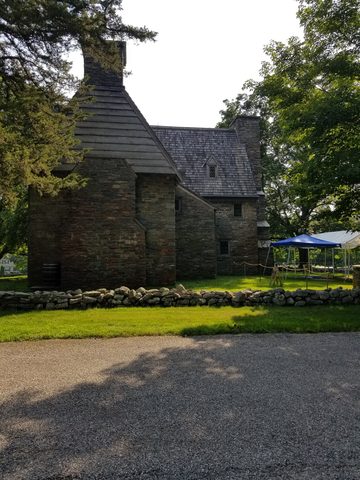
Guilford was settled in 1639 by English Puritan families led by Rev. Henry Whitfield, on land the Quinnipiac sold along with territory stretching from present-day Niantic to Branford. The settlement was originally called Menunkatucket and later renamed Guilford, assumed to honor Guildford, England, home of some of its first settlers. Guilford joined New Haven Colony in 1643, and in 1664 New Haven Colony, Guilford included, joined Connecticut Colony. The 1639 Henry Whitfield House, built of local granite, is Connecticut's oldest house and New England's oldest stone house, a National Historic Landmark. Granite quarried from Guilford's Leete's Island later went into the Statue of Liberty and the Brooklyn Bridge. Guilford was one of the few Connecticut shore towns to escape British attack in the Revolutionary War; its citizens instead raided British provisions stored at Sag Harbor, Long Island.
-
Connecticut's oldest house; Visitor Center and archaeology exhibit open while the 1639 house is under restoration.
-
sight
A working 19th-century farm with farmhouse tours and a farmers market.
-
A 150-plus-year family farm with a winery and pick-your-own orchards.
-
sight
Classes and a gallery shop; organizer of the Guilford Green Craft Expo.
-
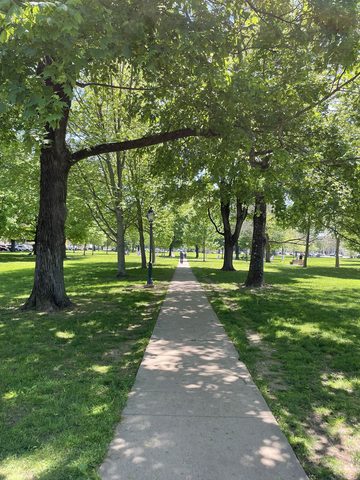
The downtown green, ringed by one of New England's largest historic-home collections.
-
food
Cash-only wood-fire seafood cookout with tree-stump seating.
-
Hot Connecticut-style lobster rolls on a dockside deck.
-
food
Dry-aged burgers ground in house, on the Boston Post Road.
A Puritan land purchase and a granite legacy
In 1639, a group of English Puritan families led by Rev. Henry Whitfield settled the area on land the Quinnipiac had sold, stretching from present-day Niantic to Branford; the settlement, originally called Menunkatucket, was renamed Guilford, assumed to honor Guildford, England, the home of some of the first settlers. Guilford was admitted to New Haven Colony in 1643, and in 1664 New Haven Colony, including Guilford, joined Connecticut Colony. The 1639 Henry Whitfield House is Connecticut's oldest house and New England's oldest stone house, built of local granite to serve as both a defensive building and a private residence; it is a National Historic Landmark. Granite quarried from Guilford's Leete's Island was later used in building the Statue of Liberty, the Brooklyn Bridge, and the lighthouse at Lighthouse Point in New Haven. Guilford was one of the few Connecticut shore towns to escape British attack during the Revolutionary War, and its citizens organized a raid on British provisions stored at Sag Harbor, Long Island. Guilford is considered by some to have the third-largest collection of historic homes in New England, spread across four historic districts, including the Guilford Historic Town Center around the green.
Getting there
Drivers reach Guilford via I-95 (exits 57, 58, and 59) or the Boston Post Road (US 1) through downtown, with Route 77 running north to Durham and scenic Route 146 hugging the coast to Branford. Train riders use Shore Line East's Guilford station at 325 Old Whitfield Street, with free daily parking; trains run seven days a week between New Haven and New London and connect at New Haven with Metro-North's New Haven Line and Amtrak.
Farms, a lobster pound, and a working art center
Dudley Farm Museum is a nineteenth-century working farm with farmhouse tours and an active farmers market, grounds open dawn to dusk year-round. Bishop's Orchards Farm Market & Winery, a family farm for more than 150 years, pairs a year-round farm market and winery with seasonal pick-your-own berries, peaches, apples, and pears. The Guilford Art Center runs classes in blacksmithing, ceramics, weaving, and painting, and organizes the annual Craft Expo on the Guilford Green. For food, The Place is a cash-only, wood-fire seafood cookout where diners sit on tree stumps at red tables, and the Guilford Lobster Pound serves hot Connecticut-style lobster rolls from a dockside deck on the harbor.
Frequently asked questions
- How do I get to Guilford?
- Drivers use I-95 (exits 57-59) or the Boston Post Road (US 1), with Route 146 hugging the shore to Branford. Shore Line East's Guilford station (325 Old Whitfield Street, free parking) runs New Haven-New London service, connecting at New Haven to Metro-North and Amtrak.
- Can I tour the Henry Whitfield House?
- The 1639 stone house itself is currently closed for restoration (stone repointing and rewiring), but the Visitor Center, gift shop, and a free archaeology exhibit are open Monday-Friday, 10 a.m.-4 p.m.
- What is Guilford known for historically?
- Its 1639 Puritan settlement, the Henry Whitfield House (Connecticut's oldest house), Leete's Island granite used in the Statue of Liberty and Brooklyn Bridge, and one of New England's largest collections of historic homes across four historic districts.
- Where can I get a lobster roll in Guilford?
- Guilford Lobster Pound serves hot Connecticut-style lobster rolls from a dockside deck on the harbor; The Place, a cash-only wood-fire seafood cookout on the Post Road, is known for fire-roasted clams and lobster.
- Where can I stay in Guilford?
- No historic inn or B&B in Guilford could be independently verified as currently operating; travelers may want to look to nearby Madison or New Haven for confirmed lodging.
Foliage
Still green this week · estimated peak Nov 4–10
On the New Haven & Neighborhood foliage driving route.
Derived from the Connecticut DEEP fall foliage map. DEEP's map is a climatological estimate last published in 2023; it describes a normal year, not this one. Stage names are ours. See the statewide forecast.
Connected pages
Nearby
- Branford, Connecticut: Granite Quarries and the Thimble Islands · Branford, Connecticut
- Madison, Connecticut: East Guilford's 200-Year-Old Independence · Madison, Connecticut
-
North Branford, Connecticut: The Shredded Coconut Capital That Almost Was
· North Branford, Connecticut
Route 80 runs east from North Branford to Guilford, where it meets US Route 1.
-
Durham, Connecticut: A Farming Town's Second-Oldest Library
· Durham, Connecticut
CT Route 77, a scenic road along its whole length, connects Durham to Guilford.
Same region
-
East Haven, Connecticut: Iron Works and a Century-Old Trolley Line
· East Haven, Connecticut
Both on the New Haven & Neighborhood foliage route
-
Branford, Connecticut: Granite Quarries and the Thimble Islands
· Branford, Connecticut
Both on the New Haven & Neighborhood foliage route
-
Wallingford, Connecticut: A Silver Town Between Two Cities
· Wallingford, Connecticut
Both on the New Haven & Neighborhood foliage route
-
Durham, Connecticut: A Farming Town's Second-Oldest Library
· Durham, Connecticut
Both on the New Haven & Neighborhood foliage route
What travelers think
Log in to react.
No reviews yet.