Madison, Connecticut: East Guilford's 200-Year-Old Independence
Madison, Connecticut
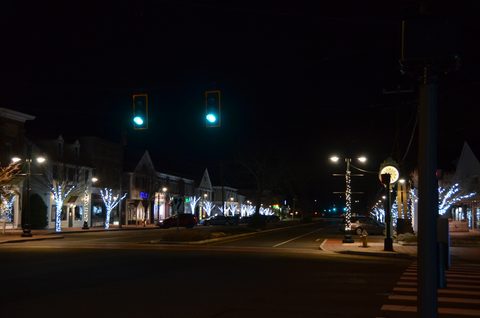
Pictures from Madison
See all 3 photos →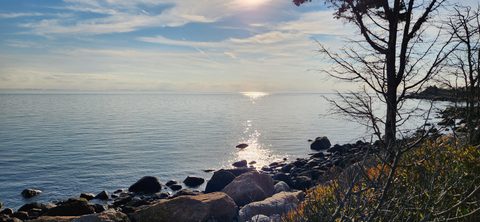
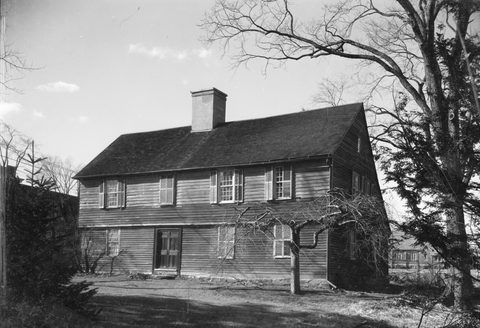
Madison was settled by English colonists in 1641 as part of Guilford and was known as East Guilford until it incorporated as its own town in 1826 — a bicentennial the town is celebrating in 2026 with official "Madison 200" events. The early economy was largely agricultural, with notable industries such as shipbuilding; the Boston Post Road and later turnpikes helped transform Madison into a popular seasonal shoreline resort, a character it retains today. The Deacon John Grave House, built on the Boston Post Road in 1685, was occupied by seven generations of the Grave family, whose original account books survive at the Connecticut State Library. The Madison Historical Society, founded during World War I, documents local figures including philanthropist Daniel Hand and sea captain Frederick Lee. The town's Hammonasset Beach, Connecticut's largest shoreline park, takes its name from an eastern woodland Indian term for the farming area along the Hammonasset River.
-
Connecticut's largest shoreline park, with a two-mile beach and a nature center.
-
sight
An 1685 saltbox home with free docent-led tours.
-
The Historical Society's museum in the historic Lee's Academy building.
-
sight
A historic house museum open two Saturdays a month.
-
sight
A celebrated independent bookstore with a busy author-events calendar.
-
food
An authentic French bistro with a heated patio.
-
food
Award-winning Italian-Mediterranean dining, closed Mondays.
-
food
Local restaurant and bar known for seasonal lobster-roll specials.
-
food
Waterfront dining at Madison Beach Hotel; a top-ranked hotel restaurant.
-
stay
AAA Four Diamond beachfront hotel with private beach access.
-
A seven-room B&B in an 1833 Greek Revival home.
From East Guilford to a bicentennial town
English colonists settled the area in 1641 as part of Guilford, and it was known as East Guilford until it incorporated as the separate town of Madison in 1826 — a bicentennial the town is marking in 2026 with official "Madison 200" celebrations. The town's early economy was largely agricultural, with notable early industries such as shipbuilding; the Boston Post Road and later turnpikes helped transform Madison into a popular seasonal shoreline resort, a character it retains to this day. The Deacon John Grave House on the Boston Post Road was built in 1685 and occupied by seven generations of the Grave family, who served as farmers, innkeepers, and shoemakers; the family's original account books survive at the Connecticut State Library. The Madison Historical Society was founded during World War I and documents local figures including philanthropist Daniel Hand, sea captain Frederick Lee, artist Clarissa Munger Badger, and Charles Ferdinand Dowd. The name of Hammonasset, Madison's famous beach and Connecticut's largest shoreline park, comes from an eastern woodland Indian term describing their farming area along the Hammonasset River.
Getting there
Madison sits on the Connecticut shoreline about 20 miles east of New Haven along the I-95/US-1 (Boston Post Road) corridor. Its own Shore Line East commuter rail station, 77 Bradley Road, sits on the line linking New Haven Union Station — where Metro-North, Amtrak, and CTrail Hartford Line connections are made — with Old Saybrook and New London.
Hammonasset, downtown, and a historic saltbox
Hammonasset Beach State Park, Connecticut's largest shoreline park, has a two-mile sandy beach, a 558-site campground holding about 40% of all campsites in the state, and the Meigs Point Nature Center's hands-on exhibits with touch tanks and live wildlife. The Deacon John Grave House offers free tours led by costumed docents, with hearth-cooking demonstrations and gardens maintained by the Garden Club of Madison. The Madison Center for History & Culture, in the historic Lee's Academy building, and the Allis-Bushnell House, both run by the Madison Historical Society, host rotating exhibits on the town's past. Downtown, RJ Julia Booksellers anchors Boston Post Road with an in-house cafe and a busy calendar of author events.
Frequently asked questions
- How do I get to Madison?
- Drivers use I-95 or US-1 (Boston Post Road). Madison's own Shore Line East station (77 Bradley Road) connects to New Haven Union Station, where Metro-North, Amtrak, and the CTrail Hartford Line meet, and continues east to Old Saybrook and New London.
- What is Hammonasset Beach State Park?
- Connecticut's largest shoreline park, with a two-mile sandy beach, a 558-site campground (about 40% of the state's total campsites), and the Meigs Point Nature Center with touch tanks and live wildlife. Open 8 a.m. to sunset; the 2026 camping season runs May 22-October 12.
- What is Madison celebrating in 2026?
- Its bicentennial — 200 years since incorporating as a separate town from Guilford in 1826 — marked with official "Madison 200" events and exhibits at the Madison Center for History & Culture and Deacon John Grave House.
- Where can I stay in Madison?
- Madison Beach Hotel, Curio Collection by Hilton, a AAA Four Diamond boutique beachfront property with 34 rooms and The Wharf Restaurant, and the Scranton Seahorse Inn, a seven-room bed and breakfast in an 1833 Greek Revival home, are both verified in-town options.
- What is RJ Julia Booksellers?
- A celebrated independent bookstore on the Boston Post Road with an in-house cafe and a busy calendar of author events, story times, and book clubs.
Foliage
Still green this week · estimated peak Nov 4–10
Derived from the Connecticut DEEP fall foliage map. DEEP's map is a climatological estimate last published in 2023; it describes a normal year, not this one. Stage names are ours. See the statewide forecast.
Connected pages
Nearby
- Guilford, Connecticut: Puritans, Granite, and the Oldest Stone House · Guilford, Connecticut
-
Killingworth, Connecticut: A Farmer's Folk-Art Automata
· Killingworth, Connecticut
The two towns share a border
- Clinton, Connecticut: Brownstoners, Witch Hazel, and a Harbor · Clinton, Connecticut
-
Durham, Connecticut: A Farming Town's Second-Oldest Library
· Durham, Connecticut
CT Route 79 runs from Durham's town center directly south to Madison.
Same region
-
Killingworth, Connecticut: A Farmer's Folk-Art Automata
· Killingworth, Connecticut
Madison is one of the closest Shore Line East stations to Killingworth.
What travelers think
Log in to react.
No reviews yet.