
Harlem, Manhattan: The Renaissance and the Apollo
Harlem, New York
Pictures from Harlem
See all 4 photos →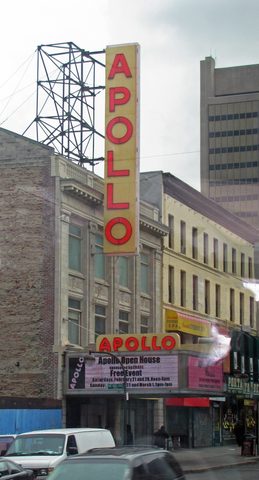
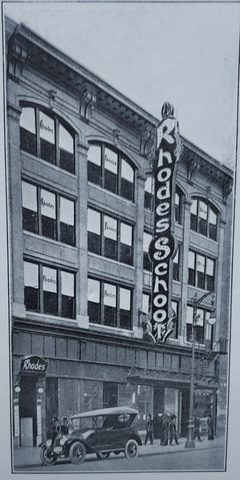
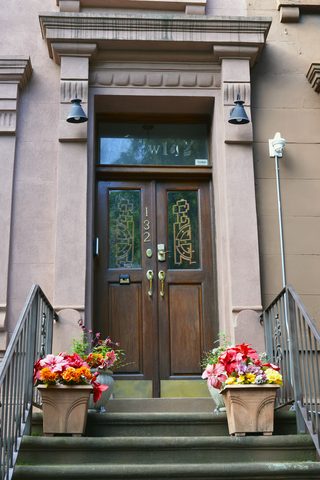
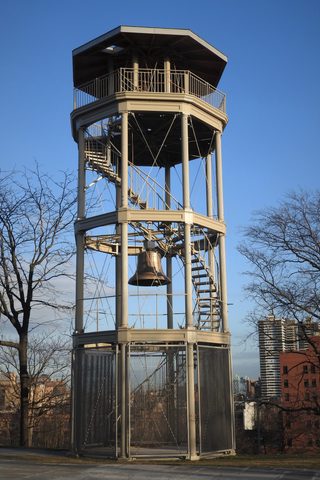
Harlem takes its name from Haarlem in the Netherlands, settled by the Dutch and formally incorporated in 1660 under Peter Stuyvesant. Growth lagged after the Revolution until an 1868 boom, when the New York and Harlem Railroad and elevated lines connected the area to lower and midtown Manhattan. During the Great Migration, Harlem's Black population grew from about 10 percent in 1910 to roughly 70 percent by 1930, as African Americans fled Jim Crow, and the neighborhood became the center of the Harlem Renaissance, an unprecedented outpouring of Black literature, theater, and visual art through the 1920s and 1930s. The Apollo Theater opened January 26, 1934, its Amateur Night launching careers from Ella Fitzgerald to Lauryn Hill and D'Angelo. The Schomburg Center for Research in Black Culture, built around Arturo Schomburg's personal library, now holds over 11 million items. In Marcus Garvey Park stands the 1855-57 Harlem Fire Watchtower, sole survivor of eleven once built citywide.
-
sight
Opened 1934; Amateur Night launched careers from Ella Fitzgerald to Lauryn Hill.
-
sight
A museum devoted to artists of African descent, recently reopened in a new building.
-
An NYPL research center holding over 11 million items on the African Diaspora.
-
walk
Home to the last surviving 19th-century fire watchtower in New York City.
-
food
A soul food institution since 1962, honored with a 2024 James Beard award.
-
food
Marcus Samuelsson's soul-food restaurant, with live music and Ginny's Supperclub.
-
food
Famous for chicken and waffles, named for the founder's grandmother.
-
food
A retro burger-and-milkshake spot done 'the Harlem way.'
-
A 2023-opened Marriott hotel inside the redeveloped Victoria Theater.
From Nieuw Haarlem to the Harlem Renaissance
The Dutch settlement of Nieuw Haarlem was formally incorporated in 1660 under Peter Stuyvesant, but the area stayed thinly settled until an economic boom began in 1868, as the New York and Harlem Railroad and elevated lines linked it to lower and midtown Manhattan. The neighborhood's defining transformation came in the early 20th century: during the Great Migration, Harlem's Black population climbed from about 10 percent in 1910 to roughly 70 percent by 1930, as African Americans moved north to escape Jim Crow. Through the 1920s and 1930s, Harlem became the center of the Harlem Renaissance, an outpouring of poetry, novels, theater, and visual art without precedent in Black America. The Apollo Theater, which opened January 26, 1934, became a signature stage of that legacy; its Amateur Night, introduced the same year, launched careers from Ella Fitzgerald to Lauryn Hill and D'Angelo, and James Brown recorded 'Live at the Apollo' there in 1962. The Schomburg Center for Research in Black Culture, built around Arturo Schomburg's personal library and now marking its 100th anniversary, holds over 11 million items on the African Diaspora.
Getting there by subway
Harlem's transit spine is 125th Street, where four separate subway stations cross the neighborhood west to east — the 1 at Broadway, the A/B/C/D at St. Nicholas Avenue, the 2/3 at Lenox Avenue, and the 4/5/6 at Lexington Avenue — plus a Metro-North stop, so nearly every trunk line in Manhattan reaches Harlem directly.
Frequently asked questions
- How do I get to Harlem by subway?
- Ride any trunk line to 125th Street: the 1 at Broadway, the A/B/C/D at St. Nicholas Avenue, the 2/3 at Lenox Avenue, or the 4/5/6 at Lexington Avenue. Metro-North also stops at Harlem-125th Street.
- Why is it called Harlem?
- It's named after the Dutch city of Haarlem; the settlement of Nieuw Haarlem was formally incorporated in 1660 under Peter Stuyvesant.
- Is the Apollo Theater still open?
- Yes. Its Historic Theater main stage is closed for a generational restoration expected to complete in 2026, but the institution remains active through the Apollo Stages at The Victoria nearby.
- What is the best park in Harlem?
- Marcus Garvey Park, opened in 1840 as Mount Morris Park and renamed for Marcus Garvey in 1973, holds the 1855-57 Harlem Fire Watchtower, the only survivor of eleven once built across the city.
- Where can I stay in Harlem?
- The Renaissance New York Harlem Hotel, a 210-room Marriott-managed hotel at 233 West 125th Street, opened in 2023 inside the redeveloped Victoria Theater and is the neighborhood's verified in-neighborhood option.
Connected pages
Nearby
- East Harlem, Manhattan: Italian Harlem to El Barrio · East Harlem, New York
- Hamilton Heights, Manhattan: The Grange and Sugar Hill · Hamilton Heights, New York
- Morningside Heights, Manhattan: The Academic Acropolis · Morningside Heights, New York
Same region
-
East Harlem, Manhattan: Italian Harlem to El Barrio
· East Harlem, New York
Another Manhattan neighborhood covered in this series.
-
Morningside Heights, Manhattan: The Academic Acropolis
· Morningside Heights, New York
Another Manhattan neighborhood covered in this series.
See also
-
East Harlem, Manhattan: Italian Harlem to El Barrio
· East Harlem, New York
This guide notes travelers often stay in Central Harlem, a short ride away on the 4/5/6.
-
Hamilton Heights, Manhattan: The Grange and Sugar Hill
· Hamilton Heights, New York
With no verified hotel in Hamilton Heights, this guide points travelers to nearby Central Harlem as a base.
-
Morningside Heights, Manhattan: The Academic Acropolis
· Morningside Heights, New York
With no lodging inside Morningside Heights, this guide points travelers to Harlem as one of the two nearby bases.
What travelers think
Log in to react.
No reviews yet.