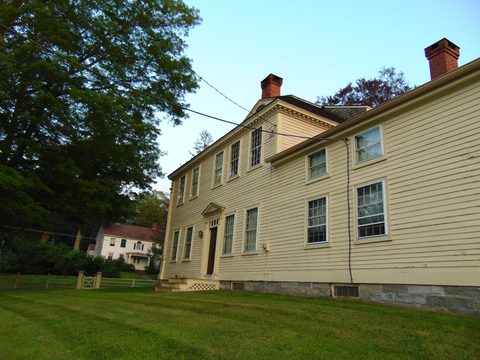

East Harlem, Manhattan: Italian Harlem to El Barrio
East Harlem, New York
Pictures from East Harlem
See all 3 photos →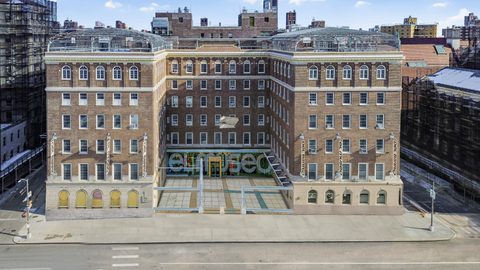
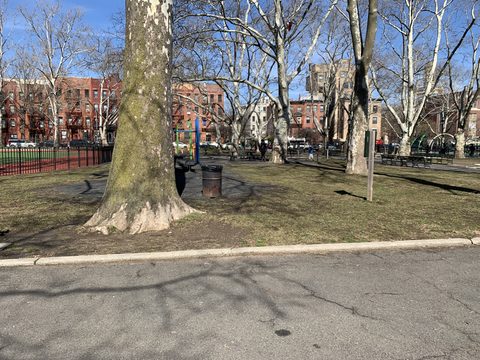
East Harlem stayed largely rural until an elevated line reached it in 1879-1880 and the Lexington Avenue subway followed in 1918, opening the land to development. Southern Italian and Sicilian immigrants arrived from the 1870s on, and by the 1930s more than 110,000 Italian Americans lived here as Italian Harlem, a community whose remnants survive around Pleasant Avenue and institutions like Patsy's Pizzeria, which opened in 1933, and Rao's. After World War I, Puerto Rican and Latin American migrants built an enclave around 110th Street and Lexington Avenue; the Puerto Rican population reached about 63,000 by 1950, and the neighborhood became known as Spanish Harlem and, to residents, El Barrio. La Marqueta, the market beneath the Park Avenue railroad viaduct, was officially sanctioned by the city in 1936 and held over 500 vendors at its 1950s-60s peak. El Museo del Barrio, a community museum of Puerto Rican, Latin American, and Caribbean art, was founded here in 1969.
-
sight
A community museum of Puerto Rican, Latin American, and Caribbean art founded in 1969.
-
A city-history museum on the neighborhood's southwest corner, open every day.
-
A riverside recreation park with a running track and seasonal pool.
-
sight
A city-sanctioned market since 1936, once a central hub of Hispanic New York.
-
food
A restaurant established in 1896, which the New York Post has called one of the hardest places to get into in the city.
-
food
A pizzeria opened in Italian Harlem in 1933 by Pasquale 'Patsy' Lancieri.
-
food
A family-run Mexican restaurant serving chorizo burritos and cemitas.
-
A 35-plus-year Puerto Rican spot with live Latin jazz.
-
A takeout-window coffee shop selling specialty donuts.
Italian Harlem to El Barrio
East Harlem's two great immigrant chapters left their mark on the same blocks. Italian workers arrived from the 1870s, and Italian Harlem peaked in the 1930s with more than 110,000 Italian Americans, remembered today around Pleasant Avenue and the Church of Our Lady of Mount Carmel, and in Patsy's Pizzeria (1933) and Rao's, founded 1896. After World War I, Puerto Rican and Latin American migrants settled around 110th Street and Lexington Avenue; by 1950 the Puerto Rican population had reached about 63,000, and the neighborhood became known as Spanish Harlem and, to residents, El Barrio, later noted for its contributions to salsa and Latin freestyle music. La Marqueta, sanctioned by the city in 1936 beneath the Park Avenue viaduct, held over 500 vendors at its 1950s-60s peak as a central social and economic hub for Hispanic New York; in 2026 the city announced plans for a city-owned grocery store on the site. El Museo del Barrio, founded in 1969 by artist-educator Rafael Montañez Ortíz as a community alternative to orthodox museums, remains devoted to Puerto Rican, Latin American, and Caribbean art.
Getting there by subway
East Harlem is served chiefly by the IRT Lexington Avenue line — 6 local trains at 96th, 103rd, 110th, and 116th Streets and the 4/5/6 express hub at 125th Street-Lexington Avenue — plus the Q at 96th Street/Second Avenue on the neighborhood's southern edge and Metro-North commuter trains at Harlem-125th Street. Second Avenue Subway Phase 2, under construction since 2024 with major tunneling beginning in June 2026, will eventually extend the Q to 106th, 116th, and 125th Streets, but those stations are not yet open.
Frequently asked questions
- How do I get to East Harlem by subway?
- Take the 6 local to 96th, 103rd, 110th, or 116th Streets, or the 4/5/6 express to 125th Street-Lexington Avenue. The Q reaches the neighborhood's southern edge at 96th Street/Second Avenue, and Metro-North stops at Harlem-125th Street.
- What is La Marqueta?
- A public market beneath the Park Avenue railroad viaduct between East 111th and 116th Streets, officially sanctioned by the city in 1936 and once home to more than 500 vendors at its 1950s-60s peak; it remains an active city property today.
- Why is East Harlem also called Spanish Harlem or El Barrio?
- Puerto Rican and Latin American migrants settled around 110th Street and Lexington Avenue after World War I; by 1950 the Puerto Rican population had reached about 63,000, and the community became known as Spanish Harlem and, to residents, El Barrio.
- Is Second Avenue Subway Phase 2 open yet?
- No. Major tunneling began in June 2026 on the roughly 1.5-mile, $6 billion extension that will bring the Q to 106th, 116th, and 125th Streets, but none of those East Harlem stations are open to riders yet.
- Where can I stay in East Harlem?
- No hotel or bed-and-breakfast within East Harlem itself could be verified as operating. Travelers typically stay in Central Harlem or on the Upper East Side, both a short ride away on the 4/5/6 or Q.
Connected pages
Nearby
- Carnegie Hill, Manhattan: A Steel-Framed Mansion and Museum Mile's North End · Carnegie Hill, New York
- Upper East Side, Manhattan: Farmland to Museum Mile · Upper East Side, New York
- Harlem, Manhattan: The Renaissance and the Apollo · Harlem, New York
- Yorkville, Manhattan: Manhattan's Old Germantown · Yorkville, New York
Shared history
-
Belmont, the Bronx: Arthur Avenue and Bronx Little Italy
· Belmont, New York
Italian Harlem, settled from the 1870s, as Belmont was settled by the Italian immigrants who built the Zoo and the Botanical Garden.
Same region
-
Harlem, Manhattan: The Renaissance and the Apollo
· Harlem, New York
Another Manhattan neighborhood covered in this series.
See also
-
Harlem, Manhattan: The Renaissance and the Apollo
· Harlem, New York
This guide notes travelers often stay in Central Harlem, a short ride away on the 4/5/6.
-
Upper East Side, Manhattan: Farmland to Museum Mile
· Upper East Side, New York
This guide suggests staying on the Upper East Side, a short ride away on the 4/5/6 or Q.
What travelers think
Log in to react.
No reviews yet.