Woodbury, Connecticut: Antiques Capital, the Glebe House, and Main Street
Woodbury, Connecticut
Part of Antique Trail of CT
Part of The Burys of Connecticut
Pictures from Woodbury
See all 4 photos →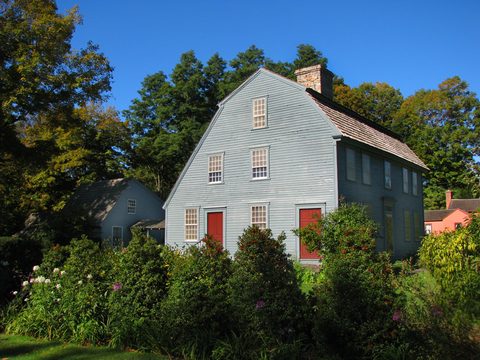
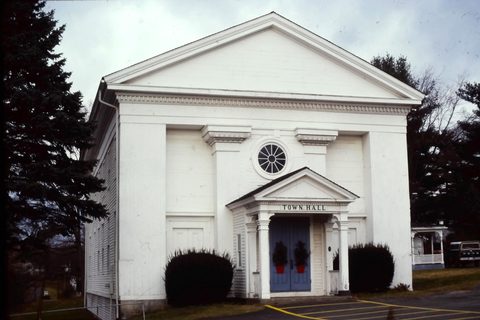
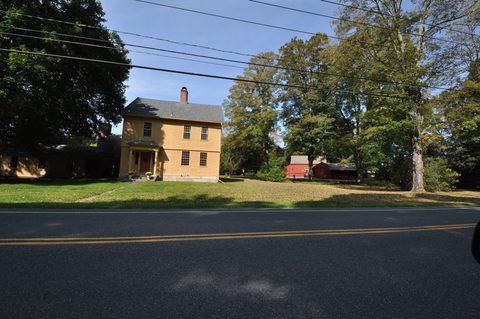
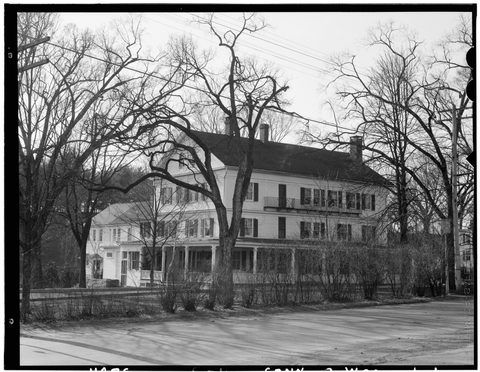
Woodbury is Connecticut's 23rd town, settled in 1673 by families who walked up the rivers from Stratford to claim the Pomperaug plantation and built log cabins along what is still the main street. Three and a half centuries later that street is the reason to come: a National Register streetscape of 18th- and 19th-century buildings that earned Woodbury its title as Connecticut's antiques capital, anchored by the c. 1740 Glebe House — birthplace of the Episcopal Church in America — and the only Gertrude Jekyll garden in the country open to the public. Eat well, sleep in an 18th-century inn, and browse.
-
The c. 1740 minister's house where the Episcopal Church in America traces its birth — and the only publicly open Gertrude Jekyll-designed garden in the U.S. Garden is self-guided, dawn to dusk, year-round.
-
2,400-plus conserved acres with public trails, about 60 years in the making.
-
walk
The town park next to the Glebe House — pavilion, fields, and a stretch-your-legs stop.
-
walk
Wooded town park with a disc golf course.
-
food
Bistro New American in the antiques district; Monday BYOB with no corkage.
-
Farm-fresh, seasonally changing menus; Sunday brunch 11:30-3.
-
food
The 1971-founded natural-foods market — grab prepared foods and picnic.
-
The storied Good News name lives on at 694 Main Street South — the address chef Carole Peck put on Connecticut's dining map.
-
stay
Ten rooms with private baths in the 18th-century inn long known as the Curtis House — reputedly Connecticut's oldest inn, now operating as the 1754 House.
Connecticut's 23rd town
In the spring of 1673, families from Rev. Zechariah Walker's dissenting Stratford congregation walked into the Pomperaug wilderness and founded Woodbury — "dwelling place in the woods" — with each family receiving up to twenty-five acres along a single main street. By the late 1700s Woodbury was a thriving agricultural trade center of millers, blacksmiths, wheelwrights, tinsmiths, and goldsmiths. The town center still holds St. Paul's Episcopal Church (1785), the First Congregational Church (1818), and the Masonic Temple (1839) — and it was home to Leroy Anderson, one of the 20th century's most popular composers of light concert music.
Antiquing Main Street
In the late twentieth century, antique dealers moved into the historic residential buildings along Woodbury's town center, and the town became known as Connecticut's antiques capital. The dealers change; the streetscape doesn't. Park once and walk Main Street South — the shops, John's Cafe, and Good News are all on the same stretch, with the Glebe House a turn away on Hollow Road.
Fifteen of those dealers, plus the Saturday flea market where Route 6 meets Route 64, are set out shop by shop in the Antique Trail of Connecticut — each one's address, what it deals in, and which of them open only by appointment or by chance.
Frequently asked questions
- Why is Woodbury called the antiques capital of Connecticut?
- Since the late 20th century, antique shops have occupied the historic buildings along its town center, making it the state's best-known antiques destination.
- Is the Gertrude Jekyll garden open?
- Yes — it's self-guided and open dawn to dusk year-round on the Glebe House grounds, the only Jekyll-designed garden in the U.S. open to the public.
- Where can I stay in Woodbury?
- The 1754 House at 506 Main Street South — ten guest rooms with private baths in the 18th-century building long known as the Curtis House, reputedly Connecticut's oldest inn.
- What is the Glebe House?
- A c. 1740 gambrel-roofed house, occupied from 1771 by Anglican priest John Rutgers Marshall, known as the birthplace of the Episcopal Church in the United States.
- Is the Good News name still on Main Street?
- Yes — Good News Restaurant & Bar carries on the name at 694 Main Street South, the address chef Carole Peck's famed Good News Cafe made known. John's Cafe and Market Place round out the Main Street picks.
Foliage
Turning this week · estimated peak Oct 21–27
On the Scenic Fairfield foliage driving route.
Derived from the Connecticut DEEP fall foliage map. DEEP's map is a climatological estimate last published in 2023; it describes a normal year, not this one. Stage names are ours. See the statewide forecast.
Connected pages
Nearby
- Southbury, Connecticut: State Parks, Colonial Roots, and the Pomperaug Valley · Southbury, Connecticut
- Middlebury, Connecticut: Quassy, the Greenway, and the Quiet Side of the Valley · Middlebury, Connecticut
- Roxbury, Connecticut: Rocky Water and Mine Hill · Roxbury, Connecticut
-
Bethlehem, Connecticut: America's Christmas Town
· Bethlehem, Connecticut
The two towns share a border
-
Washington, Connecticut: The Gunnery and Five Villages
· Washington, Connecticut
The two towns share a border
-
Watertown, Connecticut: Sewing Machines and the Old Leatherman's Loop
· Watertown, Connecticut
The two towns share a border
Shared history
-
Southbury, Connecticut: State Parks, Colonial Roots, and the Pomperaug Valley
· Southbury, Connecticut
Both grew from the 1673 Pomperaug Plantation; Southbury was Woodbury's southern parish until 1787.
-
Middlebury, Connecticut: Quassy, the Greenway, and the Quiet Side of the Valley
· Middlebury, Connecticut
Middlebury (1807) was assembled partly from Woodbury land.
-
Roxbury, Connecticut: Rocky Water and Mine Hill
· Roxbury, Connecticut
Roxbury was settled in 1713 as part of Woodbury before incorporating separately in 1796.
-
Washington, Connecticut: The Gunnery and Five Villages
· Washington, Connecticut
Washington was incorporated in 1779 from parts of Woodbury, Litchfield, Kent, and New Milford.
-
Bethlehem, Connecticut: America's Christmas Town
· Bethlehem, Connecticut
Bethlehem's land was part of Woodbury's 1710 North Purchase before settlement began in 1734.
Same region
-
Newtown, Connecticut: Scrabble, a Flagpole and a Cultural District
· Newtown, Connecticut
Both on the Scenic Fairfield foliage route
-
Southbury, Connecticut: State Parks, Colonial Roots, and the Pomperaug Valley
· Southbury, Connecticut
Both on the Scenic Fairfield foliage route
- Litchfield, Connecticut: The First Law School and a Quiet Green · Litchfield, Connecticut
-
Roxbury, Connecticut: Rocky Water and Mine Hill
· Roxbury, Connecticut
Both on the Scenic Fairfield foliage route
-
Bridgewater, Connecticut: The Last Dry Town on the Housatonic
· Bridgewater, Connecticut
Both on the Scenic Fairfield foliage route
What travelers think
Log in to react.
No reviews yet.