Washington, Connecticut: The Gunnery and Five Villages
Washington, Connecticut
Pictures from Washington
See all 3 photos →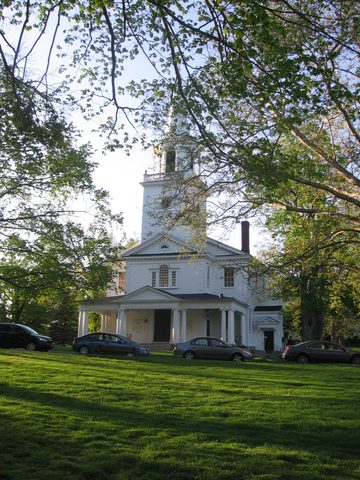
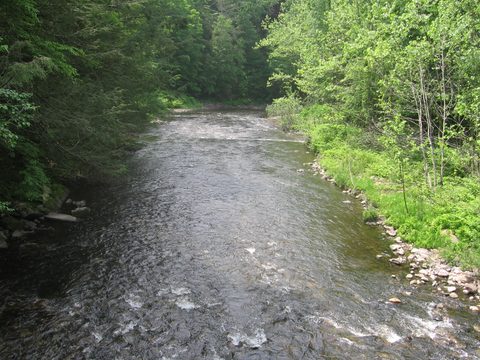
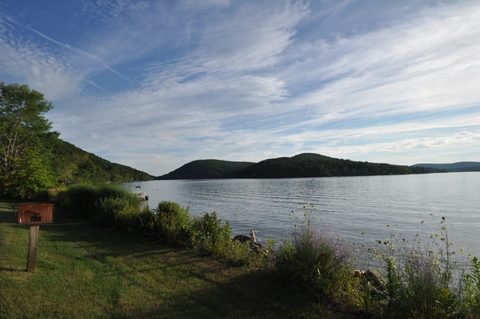
Colonists began settling Washington in 1734, and the town incorporated in 1779 from parts of Woodbury, Litchfield, Kent, and New Milford, taking its name for George Washington, who traveled through the area during the Revolution and proverbially slept in New Preston in 1781. Settlers built an ironworks and began mining iron ore by 1746, and by the early 19th century mills and factories lined the Shepaug and East Aspetuck Rivers. In 1850 abolitionist educator Frederick Gunn founded The Gunnery — today the Frederick Gunn School — and in 1861 opened one of America's earliest summer camps in town. The Shepaug Railroad reached Washington in 1872, but passenger service ended by 1932 and the tracks were pulled up in 1949; the town has had no rail since. Local history-keeping dates to 1899, when the Daughters of the American Revolution founded what became the Gunn Museum.
-
300,000-plus artifacts spanning more than 12,000 years, with a replica village.
-
46 miles of trails across Steep Rock, Hidden Valley, and Macricostas preserves.
-
sight
Free local history museum in an 1781 house on Washington Green.
-
sight
An English-manner garden and Garden Conservancy preservation partner.
-
food
Farm-sourced tavern fare on the Shepaug River in Washington Depot.
-
An award-winning riverside pub in New Preston/Marbledale.
-
A local-foods market and cafe in a recreated 19th-century blacksmith shop.
-
stay
Washington's landmark Auberge Resorts luxury inn.
Ironworks to The Gunnery
Washington's early economy ran on water power: an ironworks and iron-ore mining by 1746, then mills and factories along the Shepaug and East Aspetuck Rivers by the early 1800s. The town's most lasting institution followed in 1850, when Frederick Gunn — a teacher, abolitionist, and pioneer of American recreational camping — founded The Gunnery, known today as the Frederick Gunn School, and opened one of the country's earliest organized summer camps in 1861. The Daughters of the American Revolution began collecting local history in 1899; that collection is now the Gunn Museum, in an 1781 house on Washington Green since 1965.
Getting there
Washington is a drive-to Litchfield Hills town with no rail station or public transportation of its own. Travelers arrive by car via US Route 202, which runs east-west through the northern part of town serving New Preston and Marbledale, and state Routes 47, 109, 199, and 45, which link the town's five villages — Washington Green, Washington Depot, New Preston, Marbledale, and Woodville.
A museum, a garden, and New Preston's tables
The Institute for American Indian Studies holds over 300,000 archaeological artifacts and 6,000 ethnographic items spanning more than 12,000 years, with a replica outdoor village. Hollister House Garden, a classic English-style garden and Garden Conservancy preservation partner, keeps limited seasonal hours. For food, G.W. Tavern sits on the Shepaug River in Washington Depot, and White Horse Country Pub and The Smithy Market & Cafe anchor New Preston. The landmark Mayflower Inn & Spa, an Auberge Resorts property, hosted a Daniel Boulud dining residency in 2026 — check current availability before planning a trip around it.
Frequently asked questions
- How do I get to Washington?
- By car — there's no rail station or public transportation in town. US Route 202 runs through the northern part of Washington serving New Preston and Marbledale, with state Routes 47, 109, 199, and 45 linking the town's five villages.
- What is the Institute for American Indian Studies?
- A museum holding over 300,000 archaeological artifacts and 6,000 ethnographic items spanning more than 12,000 years, with a replica outdoor Algonkian village. Open Thursday-Sunday, 11 a.m.-4 p.m.
- What is Steep Rock?
- A land trust whose origins date to 1889, when architect Ehrick Rossiter bought land — including Steep Rock Summit — to stop it from being clear-cut; in 1925 he deeded it to community trustees. Its preserves now offer 46 miles of trails.
- Is the Gunn Historical Museum free?
- Yes, free admission. It's in an 1781 colonial house overlooking Washington Green, open Thursday-Friday 10-4 and Saturday 10-3, with guided tours Saturdays at 1 p.m.
- Where can I eat and stay in Washington?
- G.W. Tavern in Washington Depot and White Horse Country Pub in New Preston are the area's main sit-down restaurants, with The Smithy Market & Cafe for something lighter. The Mayflower Inn & Spa, an Auberge Resorts property, is the town's landmark lodging.
Foliage
Near peak this week · estimated peak Oct 14–20
On the Traditional New England foliage driving route.
Derived from the Connecticut DEEP fall foliage map. DEEP's map is a climatological estimate last published in 2023; it describes a normal year, not this one. Stage names are ours. See the statewide forecast.
Connected pages
Nearby
-
Woodbury, Connecticut: Antiques Capital, the Glebe House, and Main Street
· Woodbury, Connecticut
The two towns share a border
- Kent, Connecticut: Iron Furnaces and a Covered Bridge · Kent, Connecticut
- Roxbury, Connecticut: Rocky Water and Mine Hill · Roxbury, Connecticut
-
Litchfield, Connecticut: The First Law School and a Quiet Green
· Litchfield, Connecticut
The two towns share a border
-
Bethlehem, Connecticut: America's Christmas Town
· Bethlehem, Connecticut
The two towns share a border
-
Morris, Connecticut: South Farms on Connecticut's Largest Lake
· Morris, Connecticut
The two towns share a border
-
Warren, Connecticut: A Bunker Hill General's Namesake
· Warren, Connecticut
Route 341 connects Warren directly east to Washington.
-
New Milford, Connecticut: Roger Sherman's Town Green
· New Milford, Connecticut
The two towns share a border
Shared history
-
Woodbury, Connecticut: Antiques Capital, the Glebe House, and Main Street
· Woodbury, Connecticut
Washington was incorporated in 1779 from parts of Woodbury, Litchfield, Kent, and New Milford.
-
Litchfield, Connecticut: The First Law School and a Quiet Green
· Litchfield, Connecticut
Washington was incorporated in 1779 from parts of Litchfield, Woodbury, Kent, and New Milford.
-
Kent, Connecticut: Iron Furnaces and a Covered Bridge
· Kent, Connecticut
Washington was incorporated in 1779 from parts of Kent, Woodbury, Litchfield, and New Milford.
-
New Milford, Connecticut: Roger Sherman's Town Green
· New Milford, Connecticut
Washington was incorporated in 1779 from parts of New Milford, Woodbury, Litchfield, and Kent.
Same region
-
Warren, Connecticut: A Bunker Hill General's Namesake
· Warren, Connecticut
Both on the Traditional New England foliage route
-
New Milford, Connecticut: Roger Sherman's Town Green
· New Milford, Connecticut
Both on the Traditional New England foliage route
-
Morris, Connecticut: South Farms on Connecticut's Largest Lake
· Morris, Connecticut
Both on the Traditional New England foliage route
- Litchfield, Connecticut: The First Law School and a Quiet Green · Litchfield, Connecticut
- Bridgewater, Connecticut: The Last Dry Town on the Housatonic · Bridgewater, Connecticut
-
Bethlehem, Connecticut: America's Christmas Town
· Bethlehem, Connecticut
Both on the Traditional New England foliage route
What travelers think
Log in to react.
No reviews yet.