Canterbury, Connecticut: Prudence Crandall's School
Canterbury, Connecticut
Part of Route 169 through the Quiet Corner
Part of The Burys of Connecticut
Pictures from Canterbury
See all 3 photos →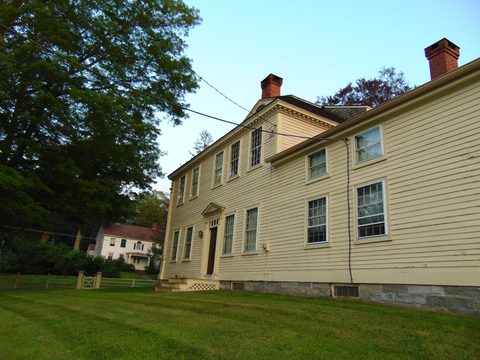
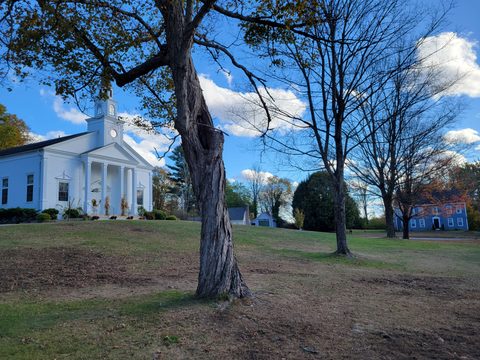
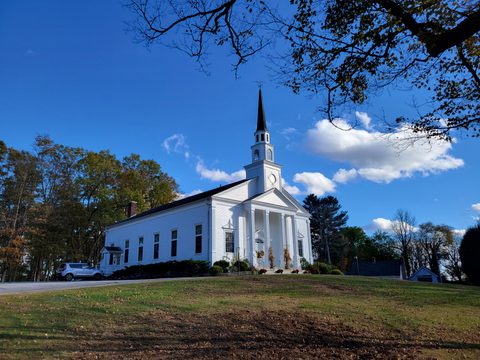
Canterbury was first settled as part of neighboring Plainfield in the late 1600s and was officially separated and named the Town of Canterbury in 1703, becoming Connecticut's 38th town. The town's defining history is Prudence Crandall's: in 1831 she opened the Canterbury Female Boarding School in a Georgian house on the town green, and after admitting Black student Sarah Harris in 1832, she reopened the school in 1833 exclusively for African American young women — the first such academy in New England. Connecticut's General Assembly passed the discriminatory “Black Law” that May, Crandall was arrested that August, and a mob ransacked the school in September 1834, closing it for good; she was named the state's official heroine in 1995. Canterbury also claims Moses Cleaveland, born here in 1754, who led the 1796 survey that founded the Ohio city later named for him — Cleveland.
-
sight
The site of New England's first academy for African American young women.
-
A museum of Finland and Finnish immigration to America.
-
walk
Put-in for a 5.6-mile Quinebaug River paddle.
-
Canterbury's last one-room schoolhouse open to the public.
-
food
Pizza and pub fare with rotating craft beers.
-
food
Comfort food, pizza, breakfast, and seafood.
-
food
Seasonal ice cream stand near Butts Bridge.
Prudence Crandall's fight
Prudence Crandall opened the Canterbury Female Boarding School in 1831, in a Georgian house on the town green. After she admitted Black student Sarah Harris in the autumn of 1832, white families withdrew their daughters, and by spring 1833 Crandall had reopened the school exclusively for African American young women — the first such academy in New England. Connecticut's General Assembly responded on May 24, 1833, with the 'Black Law,' barring out-of-state Black students; Crandall was arrested that August 23. A mob ransacked the school on September 9, 1834, closing it permanently. Crandall was named Connecticut's official State Heroine in 1995, and the house is now a National Historic Landmark and International Site of Conscience. Canterbury's other notable native is Moses Cleaveland, born here in 1754, who led the Connecticut Land Company's 1796 survey of the Western Reserve and platted the Ohio town that took his name. The Comte de Rochambeau's French army also passed through, camping in Canterbury on November 7, 1782, during its march from Yorktown toward Boston.
Getting there
Canterbury is a drive-to town in the Quiet Corner, reached where Route 169 crosses Route 14, about five miles west of Interstate 395 at Plainfield. Route 169 itself begins in Norwich and runs 38 miles north through Connecticut; the 32-mile National Scenic Byway portion of it runs from Lisbon to the Massachusetts line. There is no rail station, bus terminal, or airport in Canterbury; the nearest passenger rail is New London Union Station to the south, with Amtrak Northeast Regional and CTrail Shore Line East service.
Where to eat and stay
Canterbury's dining is small but real: D&G Pizza and Pub and Ryan's Place both serve pub fare on Westminster Road, and Wicked Cow is a seasonal ice cream stand near Butts Bridge. No hotel, inn, or bed-and-breakfast could be verified in Canterbury itself; the nearest confirmed lodging is the Inn at Woodstock Hill, in Woodstock.
Frequently asked questions
- How do I get to Canterbury?
- By car — Route 169 crosses Route 14 in the town center, about five miles west of Interstate 395 at Plainfield. There is no rail station, bus terminal, or airport in Canterbury; the nearest passenger rail is New London Union Station to the south.
- What did Prudence Crandall do?
- In 1833 she reopened her Canterbury school exclusively for African American young women — the first such academy in New England — after white families withdrew their daughters over the admission of Black student Sarah Harris. A mob ransacked the school in 1834; Crandall was named Connecticut's State Heroine in 1995.
- Is Canterbury connected to Cleveland, Ohio?
- Yes — Moses Cleaveland, born in Canterbury in 1754, led the Connecticut Land Company's 1796 survey of the Western Reserve and platted the Ohio town that was later named for him.
- Where can I paddle near Canterbury?
- Robert Manship Park is the put-in for a 5.6-mile designated National Recreation Trail paddle down the Quinebaug River to the Butts Bridge take-out. There's no launch fee.
- Is there a hotel in Canterbury?
- No hotel, inn, or bed-and-breakfast could be verified in Canterbury itself. The nearest confirmed lodging is the Inn at Woodstock Hill, in Woodstock.
Foliage
Turning this week · estimated peak Oct 14–20
On the Connecticut Heritage foliage driving route.
Derived from the Connecticut DEEP fall foliage map. DEEP's map is a climatological estimate last published in 2023; it describes a normal year, not this one. Stage names are ours. See the statewide forecast.
Connected pages
Nearby
-
Hampton, Connecticut: A Naturalist's Farm in the Quiet Corner
· Hampton, Connecticut
The two towns share a border
-
Plainfield, Connecticut: Four Villages and a Fish Hatchery
· Plainfield, Connecticut
The two towns share a border
-
Sprague, Connecticut: A Mill Tycoon's Company Village
· Sprague, Connecticut
The two towns share a border
-
Griswold, Connecticut: Jewett City and the Slater Mills
· Griswold, Connecticut
The two towns share a border
-
Lisbon, Connecticut: A Railroad Tunnel and a Rural Synagogue
· Lisbon, Connecticut
The two towns share a border
-
Scotland, Connecticut: A Signer's Birthplace
· Scotland, Connecticut
The two towns share a border
-
Brooklyn, Connecticut: A General's Grave and America's Oldest Fair
· Brooklyn, Connecticut
The two towns share a border
Shared history
-
Woodstock, Connecticut: A Pink Cottage on Route 169
· Woodstock, Connecticut
Route 169's 32-mile National Scenic Byway threads Canterbury and Woodstock, with Pomfret in between.
-
Brooklyn, Connecticut: A General's Grave and America's Oldest Fair
· Brooklyn, Connecticut
Brooklyn was incorporated separate from Canterbury and Pomfret in May 1786.
Same region
-
Putnam, Connecticut: Mill Town Turned Antiques Capital
· Putnam, Connecticut
Both are served by the Northeastern Connecticut Transit District's regional bus network.
-
Norwich, Connecticut: Mill Town at the Head of the Thames
· Norwich, Connecticut
Route 169 begins in Norwich and runs north through Canterbury.
-
Pomfret, Connecticut: The Wolf Den and a Hilltop Vineyard
· Pomfret, Connecticut
Both sit along Route 169, Connecticut's Quiet Corner scenic corridor.
-
Lisbon, Connecticut: A Railroad Tunnel and a Rural Synagogue
· Lisbon, Connecticut
Both on the Connecticut Heritage foliage route
What travelers think
Log in to react.
No reviews yet.